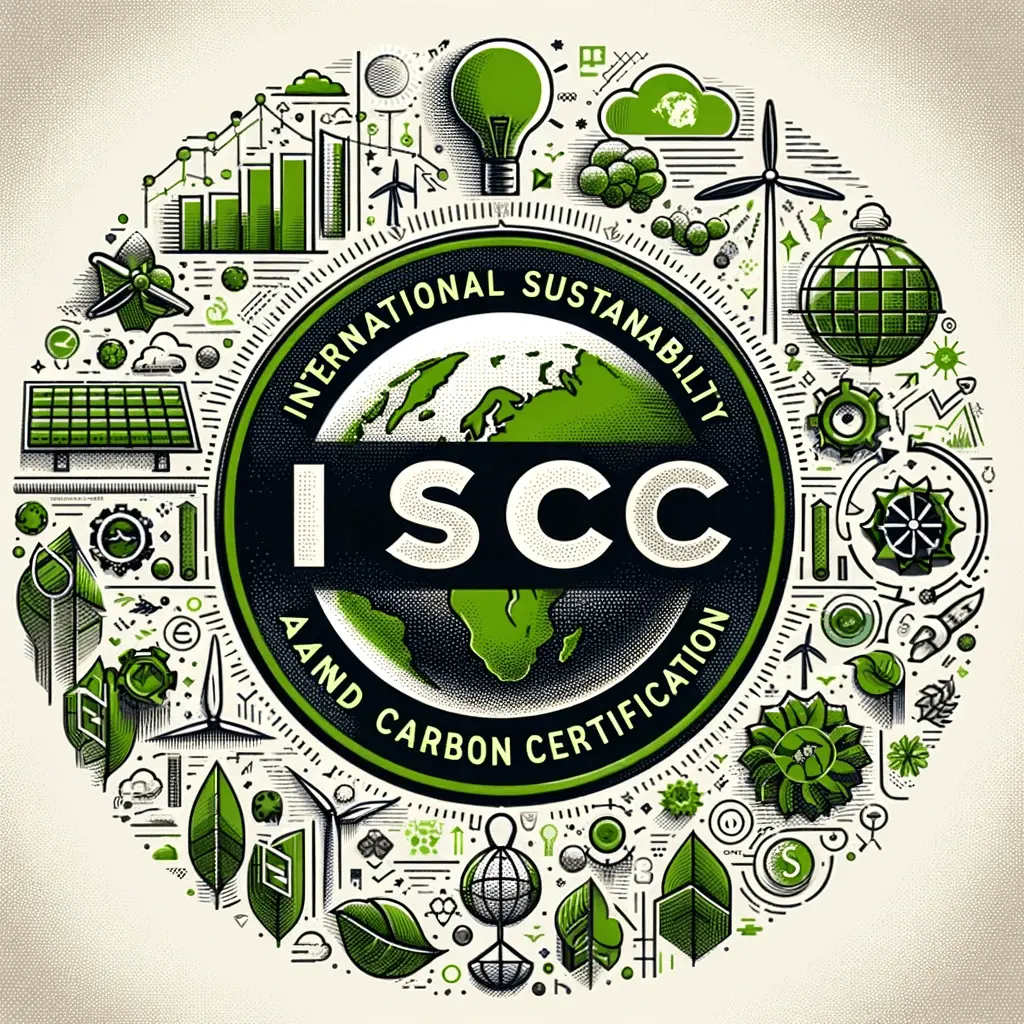

The International Sustainability and Carbon Certification (ISCC) is an international certification system covering various sustainability aspects, including environmental, social, and greenhouse gas emission reduction. Initially developed to regulate sustainability in bio-materials and bio-energy production, it has since expanded to include other sectors such as agriculture and fisheries.
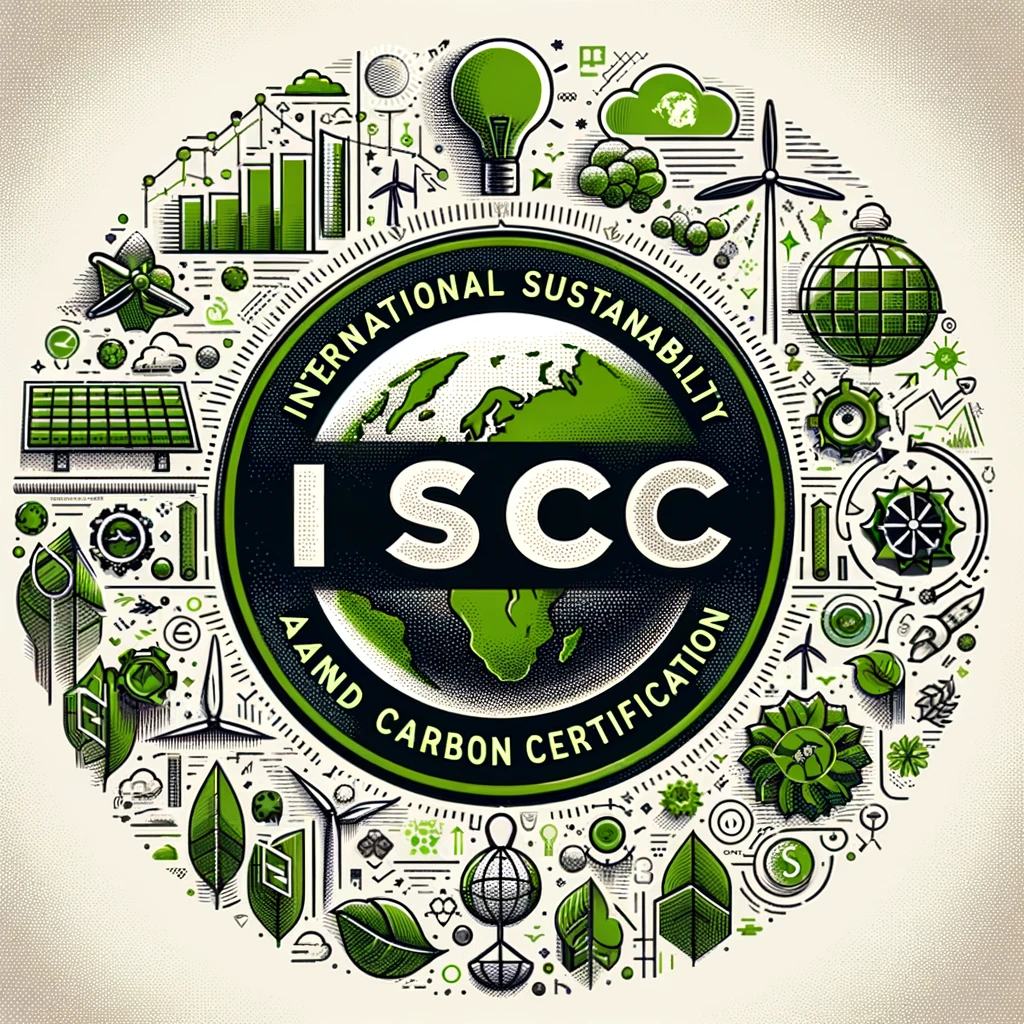
The primary objective of the ISCC is to ensure that agricultural and renewable energy products are produced with attention to environmental, social, and economic aspects. The system involves implementing strict standards and criteria that producers and companies seeking ISCC certification must meet. Key elements of ISCC include:
- Environmental Sustainability: ISCC sets standards related to sustainable land use, natural resource management, and the preservation of the natural environment.
- Greenhouse Gas Emission Reduction: ISCC integrates the reduction of greenhouse gas emissions into its sustainability criteria, considering the product life cycle from production to end-use.
- Human Rights and Social Welfare: The system requires respect for human rights, monitoring of working conditions, and protection of communities affected by certified operations.
- Transparency and Reporting: ISCC promotes accurate reporting on practices and operational impacts.
- Monitoring and Verification: Regular monitoring and verification processes are conducted to ensure that certified companies continue to adhere to ISCC’s sustainability standards.
ISCC certification is granted by an authorized body after a rigorous audit and assessment process, assuring consumers and market players that the products meet internationally recognized sustainability standards.
While ISCC has a broad scope and can be applied to various sectors and products, it also faces criticism, including concerns about the stringency of its standards, the effectiveness of its implementation, and the need for improved monitoring to achieve desired outcomes in global sustainability support.
Things You Need to Know About ISCC The International Sustainability and Carbon Certification (ISCC) is a certification specializing in various sustainability aspects, including environmental sustainability and carbon sustainability. Here are some key benefits of ISCC certification:
- Environmental Preservation
- Carbon Emission Reduction
- Increased Energy Efficiency
- Regulatory Compliance
- Access to Sustainable Markets
- Enhanced Reputation
- Potential for Investments and Partnerships
- Empowerment of Farmers and Producers
- Compliance with Global Standards
- Ongoing Monitoring and Reporting
ISCC certification focuses on environmental sustainability and carbon emission reduction across various industrial sectors. Organizations or business entities recommended for ISCC certification primarily involve the following sectors:
- Agriculture and Plantation Industry: Organizations involved in agriculture and plantation, including crop producers, livestock, and farms producing products like bioenergy, vegetable oil, and bioethanol.
- Bioenergy Industry: Bioenergy producers, such as biodiesel and bioethanol, to ensure sustainably produced raw materials and carbon emission reduction standards.
- Sustainable Palm Oil Industry: Companies involved in palm oil production to ensure sustainable agricultural practices and palm plantation management.
- Renewable Fossil Fuel Industry: Producers of renewable fossil fuels, like bio-diesel and bio-gas, to demonstrate commitment to carbon emission reduction and sustainable practices.
- Chemical and Renewable Raw Material Industry: Companies producing chemicals and renewable raw materials for various industries, such as food, pharmaceutical, or cosmetics.
- Food and Beverage Industry: Food and beverage producers using renewable raw materials, like vegetable oil or sugar, to ensure supply chain sustainability.
- Wood Processing Industry: Companies involved in wood processing and wood products to demonstrate sustainability in forest management and wood resources.
- Transportation Industry: Transportation operators using renewable fuels, like biodiesel or bioethanol, to meet sustainability standards in fuel use.
Consultation Program Stages Initial Assessment (Pre-Assessment) The ISCC consulting team conducts an initial assessment of the company or palm oil plantation, including data collection, field audits, and identification of areas needing improvement. Action Plan Development Based on the initial assessment, the consulting team collaborates with the company to develop an action plan with concrete steps to meet ISCC requirements. Performance Stabilization and Implementation The company begins implementing the action plan. The consulting team provides guidance and monitoring during this process to ensure adherence to the plan. Training and Awareness Consultants provide training to company staff and management on ISCC requirements and relevant sustainable practices. Data Collection and Processing The company starts collecting necessary data to support ISCC requirements, such as environmental, social, and economic data. Internal Audit and Verification The ISCC consulting team conducts an assessment to ensure readiness for certification. Certification Submit the RSPO certification application along with supporting documents to the ISCC-designated certification body. The certification body will conduct an audit and verification of the company or palm oil plantation to ensure compliance with RSPO requirements. Corrective Actions If audit findings or notes arise, the company must take corrective actions as recommended by the certification body. Once the certification body is confident that the company meets all requirements, they will issue the ISCC certificate.
Consultation Process Duration The duration of the consultation process varies depending on the business scope, number of employees, and number of sites.
Consultation Cost To determine the cost of consultation and/or certification, factors such as organization size, number of employees, number of branches, company location, company scope, and time targets are considered.
Security and Confidentiality We maintain the confidentiality and security of all data obtained during and after the program, related to client activities, and do not have the right to disseminate any documents or data without the client’s written permission.